Many patients diagnosed with obstructive sleep apnea find that the very device meant to help them sleep actually keeps them awake. If you find yourself fighting with a mask or feeling claustrophobic at night, you may be experiencing a common condition known as CPAP intolerance.
At our Missouri sleep apnea dental practice, we understand that a medical treatment is only effective if you can actually use it. This is why our dentists have spent years helping patients in Kansas City find comfortable, quiet, and effective CPAP alternatives.
What Is CPAP Intolerance and Why Does It Happen?
While Continuous Positive Airway Pressure (CPAP) is often considered the standard for sleep apnea, it is not a solution that works for every person or every lifestyle. CPAP intolerance occurs when a patient is unable to use the machine as directed due to physical discomfort, psychological barriers, or side effects from the air pressure.
Many patients we see feel frustrated because they know they need help with their sleep, yet the machine feels like a burden. Our sleep apnea dentist focuses on removing the obstacles between you and a restful night so you can protect your long-term health without the stress of a bulky mask.
Common Signs You Are Struggling with Your Machine
Many patients feel a sense of guilt when they stop using their CPAP, but it is important to recognize that these struggles are often caused by the design of the equipment rather than the patient. Recognizing these signs early can help you transition to a treatment that is much easier to maintain.
- Feeling claustrophobic or trapped by the facial mask or the hose.
- Waking up with a dry mouth, a sore throat, or painful nasal congestion.
- Experiencing skin irritation, sores, or rashes where the mask seals against your face.
- Being unable to fall asleep because of the noise of the motor or the sound of air leaks.
- Frequent stomach bloating or gas caused by swallowing air during the night.
The Risks of Leaving Sleep Apnea Untreated
When a CPAP machine sits unused on a nightstand, your sleep apnea remains an active threat to your cardiovascular and neurological health. It is vital to find a viable alternative, as consistent treatment is the only way to reduce strain on your body.
- Increased risk of high blood pressure and chronic cardiovascular disease.
- Persistent daytime fatigue that affects your work performance and your safety while driving.
- A higher likelihood of developing type 2 diabetes and other metabolic complications.
- Increased inflammation throughout the body can lead to long-term systemic issues.
Oral Appliance Therapy: A Proven Alternative to the Mask
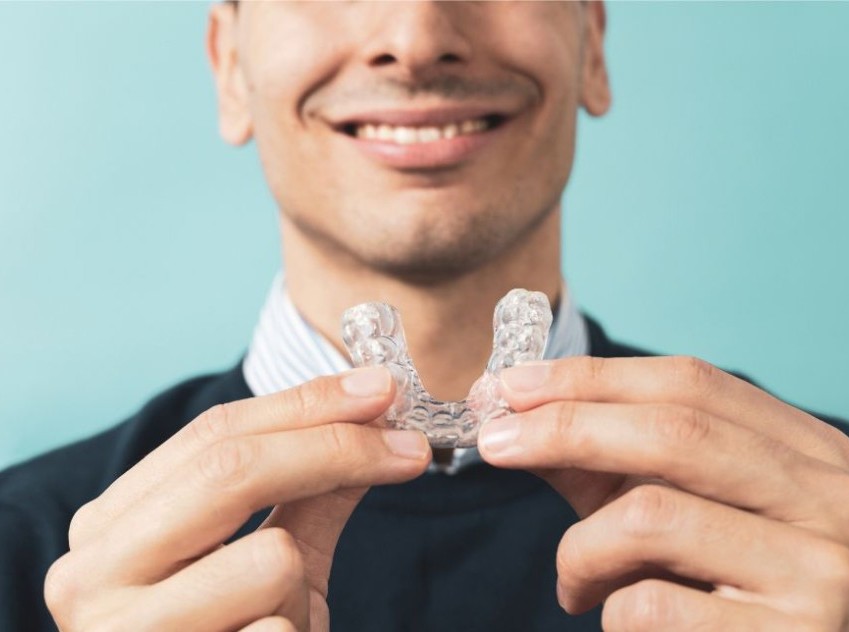
If you cannot tolerate CPAP, our team focuses on providing a medically cleared, highly effective alternative: oral appliance therapy. This treatment involves a small, custom-made device that you wear only while you sleep to keep your airway open through physical support rather than forced air.
We invite you to learn more about our sleep apnea treatment options to see how this transition can improve your quality of life. Unlike the noisy and cumbersome nature of a machine, these devices are discreet, portable, and easy to care for.
How Oral Appliances Work to Improve Breathing
Instead of using a pump to push air into your lungs, an oral appliance gently supports the jaw in a slightly forward position. This simple adjustment prevents the soft tissues and tongue from collapsing into the back of the throat, the root cause of obstructive sleep apnea.
By maintaining a clear path for air, the device allows you to breathe naturally through your nose or mouth without interruption. Because there are no hoses or masks involved, you can sleep in any position you find comfortable, including on your side or stomach.
The Advantage of Custom-Fit Devices Over Store-Bought Options
It is important to distinguish between a professional medical device and the generic mouthguards found at a local pharmacy. Our sleep apnea dentist focuses on custom design to ensure your appliance remains comfortable throughout the entire night.
Our custom-fit oral appliance therapy is tailored to your specific dental anatomy and the unique way your jaw moves. This level of precision is necessary to prevent tooth movement or jaw pain that often results from using poorly fitted, over-the-counter alternatives.
Our Technology: Precision Mapping for Your Best Night’s Sleep
At our practice, we do not rely on guesswork when it comes to your airway or your comfort. We invest in advanced diagnostic technology to ensure that every treatment plan is based on the objective data of your unique physiology.
By using these tools, we can create a device that provides the maximum benefit for your breathing while placing the least stress on your jaw joints. This balance allows our patients to remain compliant with their treatment for years to come.
Using 3D CT Scanning for Airway Analysis
We utilize 3D Cone Beam Computed Tomography (CBCT) to get a comprehensive view of your airway, jaw joints, and nasal passages. This technology allows us to see exactly where the obstruction is occurring in three dimensions, which a standard dental X-ray cannot provide.
- Identifies specific physical narrowness in the airway that might be caused by the jaw or tongue position.
- Helps determine if other factors, such as nasal obstructions, are contributing to your sleep difficulties.
- Allows us to track changes in your airway volume as we adjust your treatment.
Neuromuscular Evaluation with the Myotronics K7
We want to make sure that treating your sleep apnea does not cause new problems, such as headaches or jaw pain. By using the Myotronics K7 system, we can track your jaw movement and muscle activity to find the most relaxed, physiologic position for your oral appliance.
- Ensures your appliance does not put unnecessary tension on the muscles of the head and neck.
- Measures muscle activity to guarantee the device is supporting your jaw in its most natural resting state.
- Provides a higher level of comfort, making it easier for you to wear the device every night.
Frequently Asked Questions About CPAP Alternatives
Choosing a new path for your sleep health often raises several questions about the daily use and medical efficacy of oral appliances. We believe that an informed patient is a more successful patient, and we are happy to address your concerns during your consultation.
Take the Next Step Toward Restful Sleep
If you are ready to stop struggling with your CPAP and start waking up feeling truly refreshed, our team is here to support you. Schedule your appointment online by calling us at (816) 795-1000 to discuss how oral appliance therapy can improve your life.